
The teacher your child has waited for.
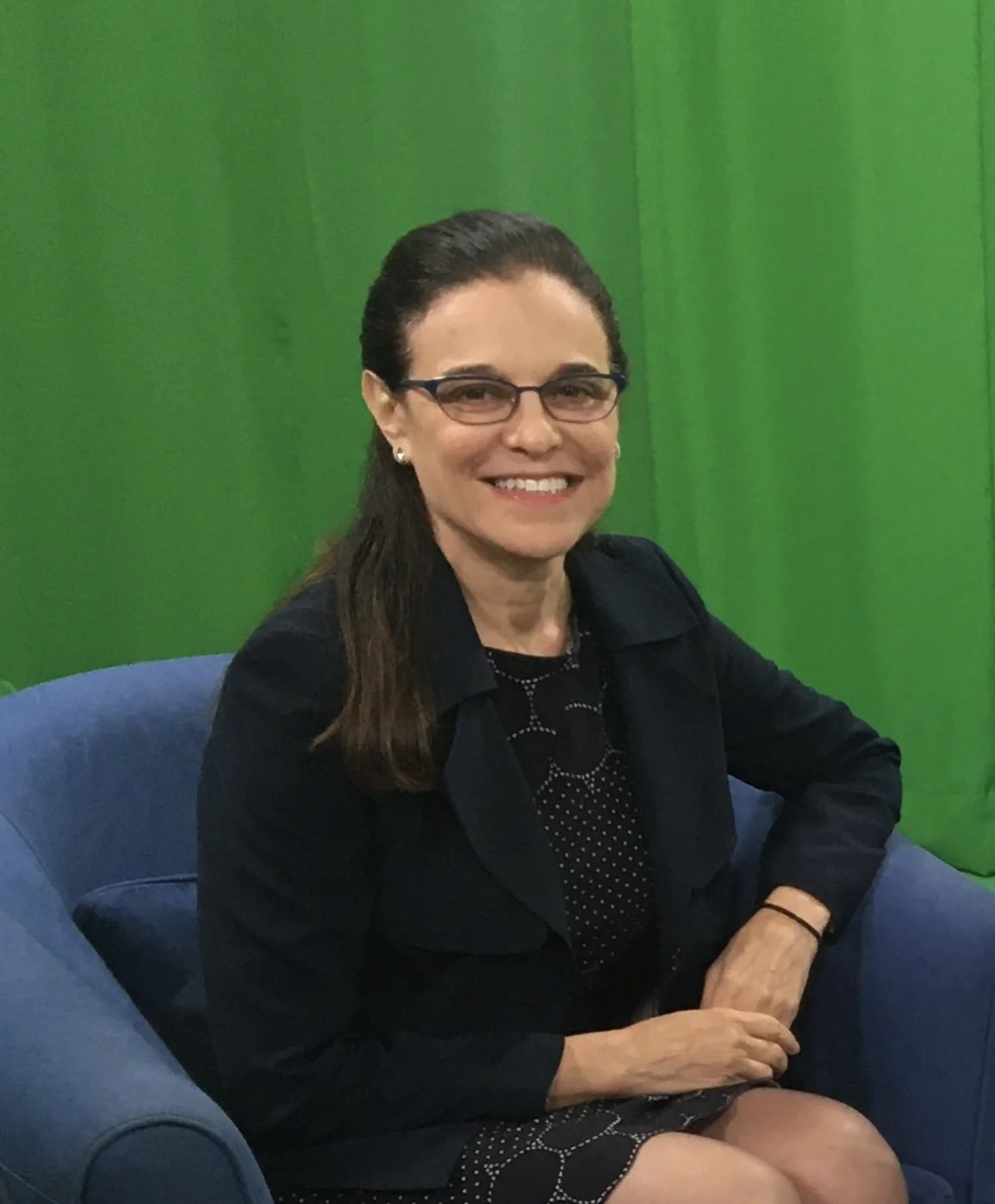
Engaged. Interested. Positive. Rigorous. Dr. Valerie Feit is a talent development specialist who has led district-wide programs across STEM, the humanities, and the arts. With a curated team of mentors, she helps students in grades 5–12 write with real-world power, design and carry out genuine research, and show colleges exactly how they think. And years later, students always remember the teacher who believed in what they could become.
Book a conversation with Dr. Feit →
What parents want to know
Parents rarely come to us worried about grades. They ask something harder: Is my child ready for a world being rebuilt by AI? And among thousands of strong applicants, what will make my child unmistakably themselves?
Readiness and distinction come from the same source. When a curious young person finds work they genuinely care about, and learns to pursue it with real rigor, they develop what no algorithm can supply and no admissions reader can miss: originality, judgment, persistence, and a story that belongs to them alone.
That is what we develop.
What sets our students apart
Research that changes something. This is what sets our students apart. Their work doesn't end in a report or a science fair. Findings are carried forward into action and put to work by organizations serving real communities. Students graduate with proof that their thinking made a difference.
Real research, designed and carried out. In the sciences and social sciences, students learn to frame a question, review the literature, design a study, collect and analyze data, and defend their findings, the way working researchers do.
Writing that works in the real world. Students make major gains in writing for real audiences: research reports, proposals, op-eds, presentations, and the essays that carry an application. Clear, precise, persuasive, and unmistakably their own.
Mentors who understand high school. Our curated mentors are accomplished in their fields and remember exactly what junior year feels like. They help students do ambitious work without losing their footing in school.
Thinking that shows. Selective colleges want evidence of how a student thinks and reflects, not just what they achieved. Our students produce that evidence naturally: in their work, their writing, and their interviews.
The capacities AI can't replace. Framing problems, weighing evidence, creating, and deciding. AI becomes their instrument, never their substitute.
Work that outlasts high school
Most of our students carry their Independent Learner projects into college, and many into their careers. The question they pursued at fifteen becomes a major, a research lab, a company, a lifelong cause.
Over twenty years, more than 500 students have made that work the centerpiece of their college applications, earning admission to Ivy League and other highly selective universities in the United States and abroad. For them, admission was a beginning, not a finish line.
At sixteen, one student set out to bring English-language books to orphanages in Japan. Her project won the Princeton University Prize in Race Relations. She chose Penn over Dartmouth, where she studies political science. Another, Nicole Pereira, began laboratory research with Dr. Feit in high school. Today, with a master's in physiology from the University of Michigan, she mentors the next generation of ILP scientists.
One trajectory, three stages
Foundation: The Confident Learner (grades 5–12). How to think, learn, create, and present at a high level.
Distinction: The Independent Learner Program (grades 9–11). A year of mentored, original work in STEM, the humanities, the arts, or public policy.
Story: The College Process (grades 11–12). Applications that show who the student truly is, and what they've built.
A teacher students remember for a lifetime
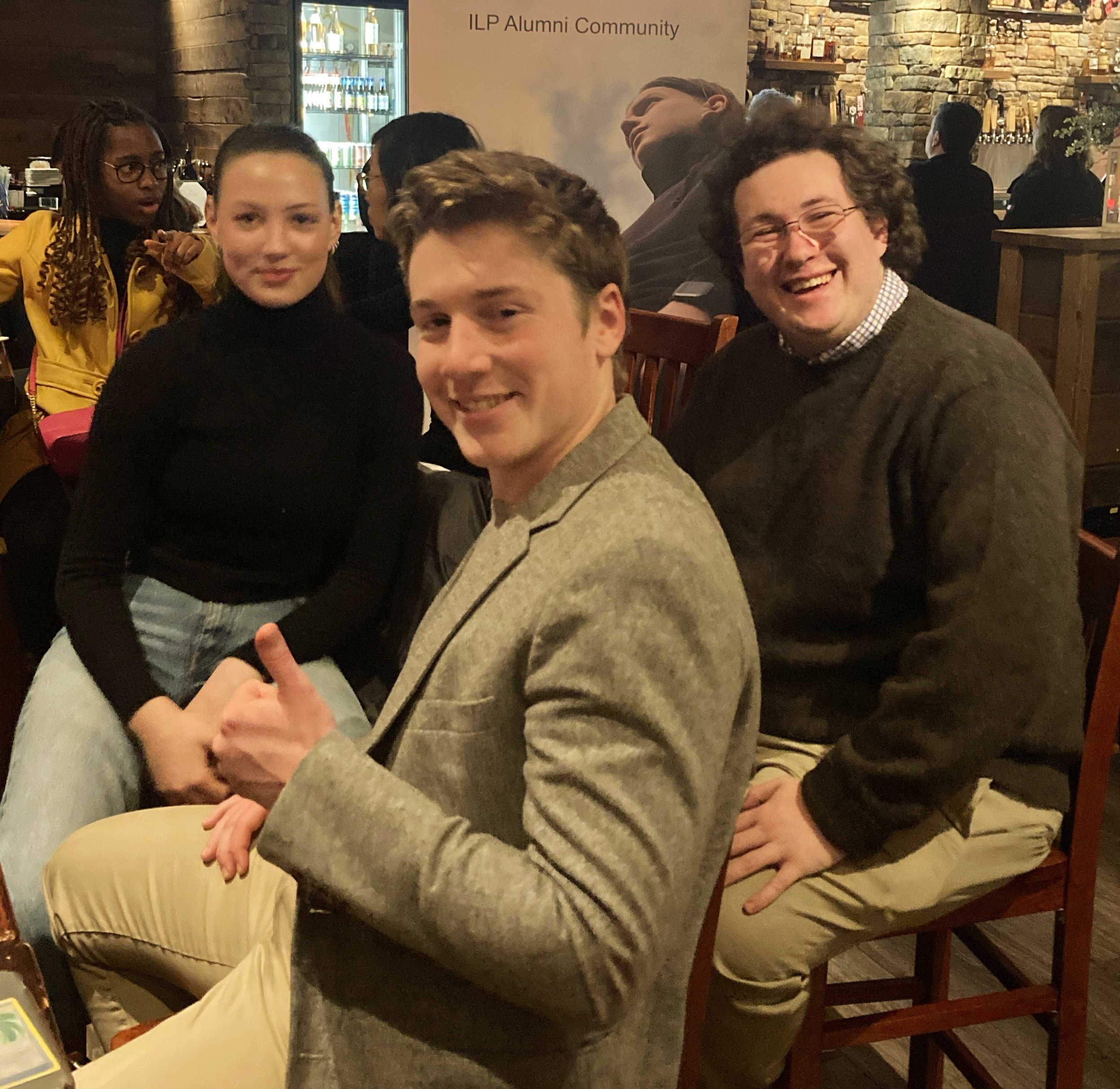
Some of Dr. Feit's former students are now in their fifties. Recently, several of them came back to tell her that the work they did together as teenagers changed the course of their lives.
That is the standard we hold ourselves to. Not a better transcript, but a turning point. Read Dr. Feit's story →
Begin with a conversation
Twenty minutes with Dr. Feit, complimentary. Tell her about your child; she'll tell you candidly what she sees and what's possible. Mandarin translation is available.